
What Is SEO Automation? A Complete Guide for 2026

Aryan Vaidh
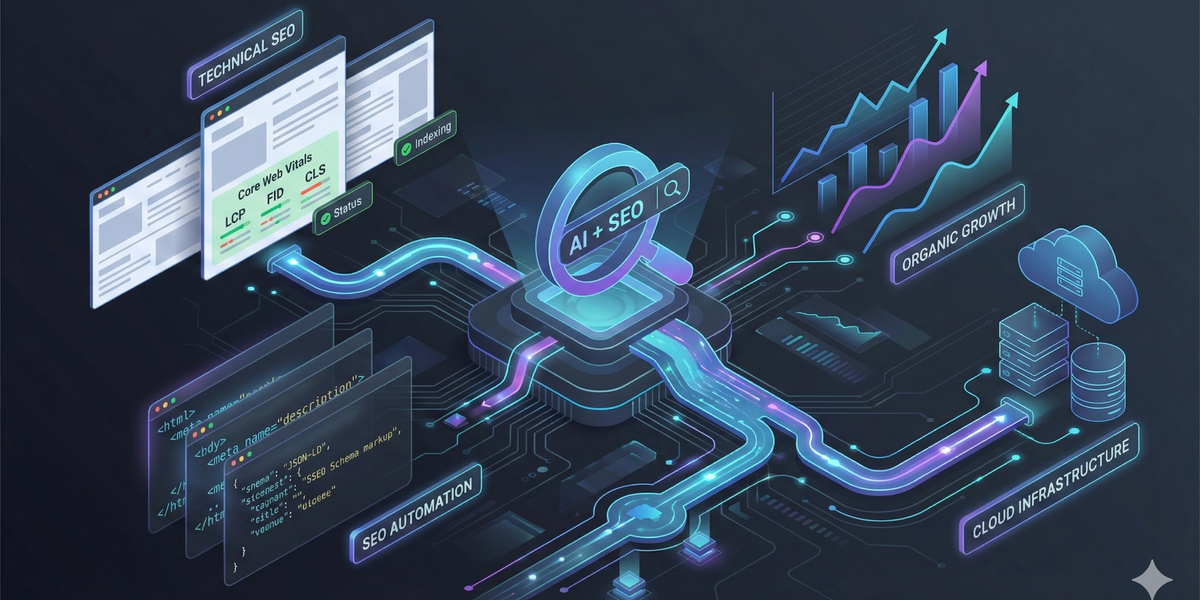
The last two years have witnessed more changes in Search Engine Optimization (SEO) than occurred over the previous ten years.
With increasing numbers of websites being generated every day with many of complex technical stacks, the way Google evaluates the performance, structure, and quality of a Website has transitioned from just looking at the keyword aspect to evaluating them on an on-going basis.
Many Internet marketers have misunderstood SEO automation. Many think that SEO automation means using AI-written articles that are published in bulk, while others fear that SEO automation will cause loss of rankings and affect how their websites perform.
SEO automation does not mean the same thing as it did in the past. Today, SEO automation focuses on executing tasks safely and continuously improving organic traffic.
This article gives a look into how people feel about SEO automation in 2026, which functions of SEO can be automated, and the percentage of SEO organisations that use SEO automation at present to protect their website against being penalised by the search engines.
What Is SEO Automation?
SEO automation uses software and AI to analyze, implement, and monitor SEO improvements systematically, without relying on repetitive manual work.
SEO automation does not replace strategy or judgment. It replaces inefficient execution.
When Teams Automate SEO correctly, they:
- Monitor continuously for issues, not once every day.
- Identify and implement fixes in a matter of minutes rather than waiting for weeks.
- Verify that changes are valid before deploying them.
- Keep track of the real effect of every update.
SEO automation turns SEO from a one-time project into a repeatable system.
Modern SEO automation focuses on workflows, not shortcuts. It automates what follows rules and patterns, while humans control decisions that require context, brand judgment, and accountability.
Why Manual SEO No Longer Works
- Slow, Fragmented SEO Workflows: The traditional SEO process includes audits, spreadsheets, and follow-up communications. These stages cause a slowdown and hinder the ability to take swift SEO action.
- Websites deploy updates constantly: Modern websites release new features, bug fixes, and performance improvements frequently. SEO tasks compete with higher-priority work and often remain stuck in backlogs.
- High Risk of Breaking Performance and UX: Small changes, such as updating meta tags/scripts, may have adverse impacts on Core Web Vitals, layout issues, or indexing. If not validated, development teams will not implement the pending SEO fixes.
- Modern tech stacks increase complexity: The frameworks used in React and Next.js are based on JavaScript rendering, hydration, and dynamic routing. Manual SEO tactics are ineffective at dealing with the technological aspects of a website.
- SEO Fixes Arrive Too Late: When the corrections finally make it into production, the website/search landscape would have already evolved, hence reducing the effect of the optimization.
- Automation as the Only Sustainable Path: An automated SEO process helps in the faster, safer, and reliable implementation of SEO, whereas the manual SEO process is no longer capable of supporting the same in a modern environment.
What SEO Tasks Can Be Automated Safely?
In 2026, many SEO tasks follow predictable rules. These tasks benefit enormously from automation when teams apply proper validation and review.
1. On-Page SEO Automation
On-page SEO consists of repetitive tasks, and while most teams follow specific guidelines regarding the execution of those tasks, they still take time to complete manually.
Automation can:
- Generate optimized title tags and meta descriptions based on intent and length limits
- Align H1 tags with search intent and page purpose
- Insert Open Graph and Twitter metadata consistently
- Generate canonical tags to prevent duplication
- Create descriptive alt text for images
- Suggest internal links based on topical relevance
By automating these processes, teams can improve their efficiency and eliminate many types of inconsistencies and errors caused by human interaction. With automation in place, each individual page will adhere to best practices, so no manual oversight is needed when making updates to those pages.
2. Technical SEO Automation
Technical SEO often suffers the most from manual handling.
Automation can:
- Generate and update XML sitemaps automatically
- Maintain robots.txt rules safely
- Insert structured data (JSON-LD) correctly
- Detect and fix broken links
- Manage redirects at scale
- Enforce pagination and parameter handling rules
Manual handling of technical SEO creates errors because the team rushes to update files, resulting in careless mistakes. Using automation helps assure consistent practices as well as identifying mistakes before putting something into production.
3. Content Planning and Optimization
Automation cannot replace your content strategy; however, it provides a considerable advantage by providing structure and priority in your planning.
Automation can:
- Cluster keywords by intent and topic
- Identify content gaps against competitors
- Build topic maps and pillar strategies
- Detect content decay over time
- Generate structured content briefs
With the help of systems like these, teams know what to write and edit, instead of having to guess as to what they should write and edit based on intuition.
4. SEO Monitoring and Alerts
SEO performance changes constantly. Manual monitoring reacts too slowly.
Automation enables teams to:
- Track ranking and traffic changes daily
- Monitor indexation issues
- Detect Core Web Vitals regressions
- Identify problems immediately after deployments
Instead of teams reacting to an issue weeks later, they respond immediately to real-time information.
What SEO Tasks Should NOT Be Fully Automated?
Although AI has advanced tremendously, there are several SEO tasks that will continue to require human involvement. Blind automation creates risk.
❌ Blind Content Publishing
The drafting power of AI is fast, but does not fully understand language nuance, factual accuracy or brand positioning or in the market. The team must always review, edit and approve content before being publicly published.
❌ Aggressive Internal Linking at Scale
The relevance of internal link placement affects user experience. Automated linking is subject to creating spam-like navigation that confuses users. Humans should set rules and guidelines regarding internal links and their placement.
❌ Backlink Outreach Emails
Hyper-automated outreach has the potential to hurt the company's brand reputation and could lead to penalties from search engines. To build links ethically requires discretion and manual outreach.
❌ Direct Production Deployments Without Validation
Changes in SEO can harm a business's performance and indexing. Before making any change to a site's production server, it is important that the team previews, tests and has a method of rolling back the changes.
The best SEO automation systems combine AI with human approval and technical safeguards.
SEO Automation vs Traditional SEO Tools
Traditional tools tell you what’s wrong. SEO automation systems help you fix it properly.
Why SEO Automation Is Critical in 2026
Several forces make SEO automation unavoidable:
- Google weighs performance and UX heavily
- JavaScript frameworks dominate modern sites
- AI content saturation raises quality thresholds
- SEO teams must ship faster than ever
- Engineering teams demand safe workflows
SEO is now integrated into the technical foundation of the company. Automation allows teams to operate more quickly with fewer errors than traditional teams.
How SroX Approaches SEO Automation
SroX treats SEO changes as engineering changes, not marketing tasks.
Instead of blind automation, SroX focuses on:
- Auditing and planning SEO improvements
- Generating safe, reviewable change sets
- Deploying via pull requests or platform APIs
- Validating Core Web Vitals and structured data
- Measuring real impact after every change
This ensures SEO automation is reliable, transparent, and reversible.
Final Thoughts
SEO automation does not mean shortcuts.
It means:
- Faster execution
- Fewer mistakes
- Better collaboration between teams
- Continuous improvement instead of guesswork
Teams who only use manual SEO strategies will experience a decline in performance, while teams who automate their processes without proper guidelines will lose both trust and organic rankings.
The future of SEO is designated for teams who integrate their automated processes, have validation, and whom use the human eye for quality assurance.
That is what SEO automation truly means in 2026.
Frequently Asked Questions About SEO Automation
What is SEO automation in simple terms?
SEO Automation uses software tools, AI, and algorithms to manage repetitive SEO tasks such as audits, meta tag optimization, technical fixes, monitoring, and reporting. This type of automation allows SEO teams to perform their work faster while ensuring that the quality and consistency of the SEO changes remain unaffected.
Is SEO automation safe for Google rankings?
SEO automation is considered safe when it incorporates human oversight through a system of verification and previews. Often, blindly publishing AI-generated content and deploying updates without proper testing leads to unsafe automations. The primary focus of modern SEO automation platforms is to perform validated executions rather than use shortcuts.
Can AI fully automate SEO?
AI can’t take over SEO completely. While AI is capable of analyzing data, creating drafts, and identifying areas for improvement, a human needs to review created content, approve changes, and be responsible for how they’re deployed. The best performance will happen when SEO automation works with human involvement.
What SEO tasks should not be automated?
AI content publishing, backlink creation, heavy internal linking or sending content directly to production without human validation should not be fully automated. All of these tasks rely heavily on human judgement with the addition of proper safeguards.
How long does SEO automation take to show results?
SEO automation Technical fixes, such as fixing broken links or optimizing metadata, can typically be visible within a few weeks of implementation. The improvements associated with content and topical authority usually take longer to produce visible results because they vary based on how often search engines crawl your site and how competitive the market is for your content.